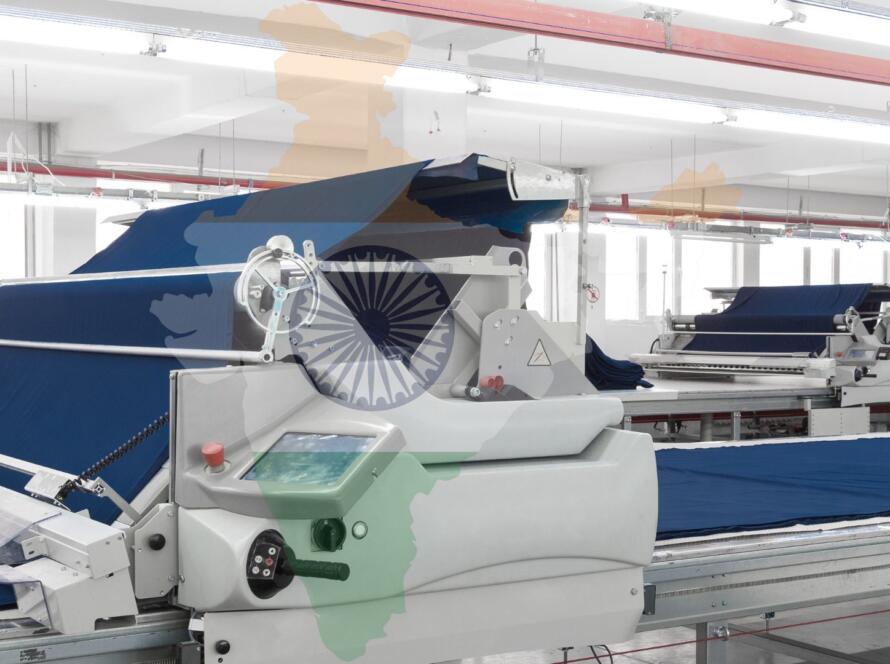


Introduction: The Art and Science of Fabric Creation
Fabric, a fundamental element of our daily lives, has a rich and complex production process. From sourcing raw materials to intricate weaving techniques, the journey of fabric production is a blend of tradition, innovation, and technology. This article offers a comprehensive overview of how fabrics are produced.
1. Sourcing Raw Materials: The Building Blocks
Natural Fibers:
Derived from plant and animal sources, natural fibers include cotton (from cotton plants), wool (from sheep), silk (from silkworms), and linen (from flax plants).
Synthetic Fibers:
Produced using chemical processes, popular synthetic fibers include polyester, nylon, and acrylic, derived from petrochemicals.
2. Preparing the Fibers: Laying the Groundwork
Cleaning and Carding:
Especially for natural fibers, the initial stage involves cleaning to remove impurities. Carding then disentangles and aligns the fibers to form a continuous web or sliver.
Spinning:
The sliver undergoes spinning, where it’s drawn out and twisted to produce yarns, which serve as the foundation for fabric creation.
3. Weaving and Knitting: Crafting the Fabric
Weaving:
This process involves interlacing two sets of yarns (warp and weft) at right angles on a loom. The pattern of interlacing determines the weave, such as plain, twill, or satin.
Knitting:
Unlike weaving, knitting uses a single yarn to create interlocking loops. This process produces fabrics like those used in t-shirts and sweaters.
4. Dyeing and Printing: Adding Color and Patterns
Dyeing:
To impart color, fabrics undergo dyeing using various techniques, such as batch, continuous, or yarn dyeing, depending on the desired effect.
Printing:
For patterned fabrics, printing methods like screen printing, digital printing, or block printing are employed to transfer designs onto the fabric.
5. Finishing: Enhancing and Perfecting the Fabric
Chemical Finishing:
Fabrics might be treated with chemicals to impart specific properties, such as wrinkle resistance, water repellency, or flame retardancy.
Mechanical Finishing:
Processes like calendaring (pressing between rollers) give the fabric a smooth finish, while techniques like brushing can provide a raised surface.
6. Quality Control: Ensuring Excellence
Inspection:
Every fabric undergoes rigorous inspection to identify and rectify defects, ensuring it meets the desired quality standards.
Testing:
Fabrics are tested for properties like strength, shrinkage, colorfastness, and more, ensuring they’re fit for their intended use.
7. The Modern Age: Technological Advancements in Fabric Production
Automation:
Modern looms and knitting machines, powered by computerized systems, have increased production speeds and precision.
Sustainable Production:
With growing environmental concerns, there’s a shift towards eco-friendly production methods, including waterless dyeing and closed-loop manufacturing.
Smart Textiles:
Innovations are leading to the production of fabrics with integrated electronics, paving the way for wearable technology.
Conclusion: The Woven Tapestry of Fabric Production
The journey of fabric production, from raw fibers to finished textiles, is a testament to human ingenuity and craftsmanship. As technology and sustainability become central themes in the textile industry, the fabric production process continues to evolve, promising exciting innovations for the future.