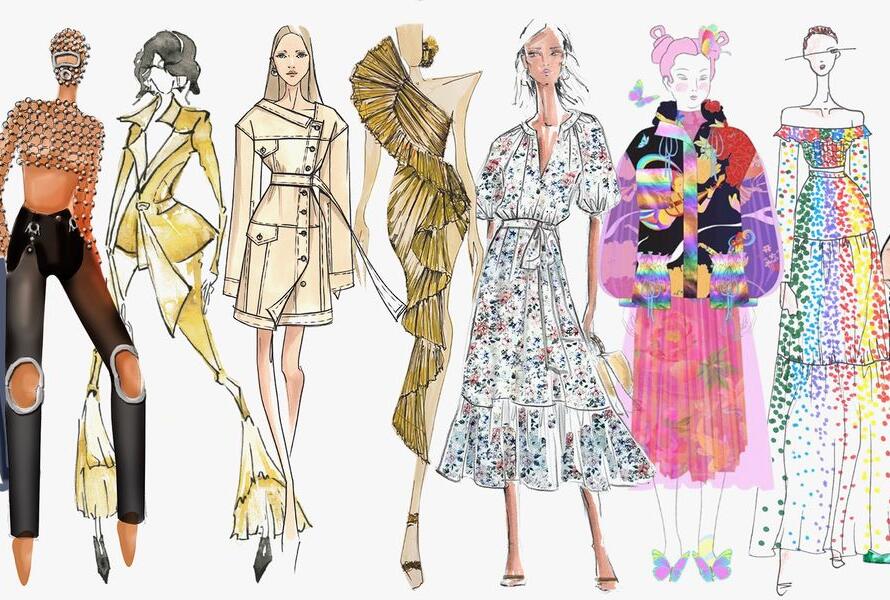


In the vibrant world of design, where threads transform into art, the relationship between textile and fashion design is a dynamic interplay of creativity and craftsmanship. The question that often weaves through the minds of aspiring designers is whether a textile designer can seamlessly transition into the glamorous realm of fashion. This article unravels the threads of possibility, exploring the skills, challenges, and opportunities that come with making the shift from creating fabrics to crafting entire fashion collections.
The Overlapping Canvases: Understanding Textile and Fashion Design
At the heart of both textile and fashion design lies the art of storytelling through visual elements. Textile designers primarily focus on creating fabrics, experimenting with patterns, colors, and textures. On the other hand, fashion designers weave these textiles into garments, considering not only the aesthetics of the fabric but also the form, function, and overall narrative of the clothing piece. The transition between the two is not a leap but a nuanced evolution, where one’s proficiency in understanding materials becomes a foundation for broader creative expression.
Building Blocks: Skills That Bridge the Gap
For a textile designer eyeing the world of fashion, certain foundational skills serve as crucial building blocks. While proficiency in textile techniques remains paramount, expanding one’s skill set to include garment construction, pattern-making, and an understanding of fashion trends is essential. Fashion designers are tasked with envisioning the complete look, and a seamless transition demands a holistic approach to design that encompasses both textiles and garment construction.
Navigating the Fashion Landscape: Challenges on the Catwalk
Transitioning from the confined canvas of textile design to the expansive world of fashion brings its set of challenges. One major hurdle is adapting to the fast-paced nature of the fashion industry. Textile designers often work on longer timelines, whereas fashion designers are accustomed to tight schedules, quick turnarounds, and the ever-changing trends of the runway. Adapting to this dynamic environment requires not only creative agility but also effective project management skills.
From Sketches to Stitches: Bridging the Gap in Education
While many textile designers possess a solid foundation in the technical aspects of fabric creation, a formal education in fashion design can be a valuable bridge. Enrolling in fashion design courses or pursuing a degree in fashion can provide the necessary insights into the broader aspects of the industry, including fashion history, trend forecasting, and the business side of design. This educational leap serves to refine the creative vision and align it with the multifaceted demands of the fashion world.
Innovation and Adaptability: Key Traits for a Seamless Transition
Successful transitions hinge on innovation and adaptability. A textile designer entering the realm of fashion must not only bring a fresh perspective but also be willing to embrace change. The ability to innovate with materials, experiment with unconventional textiles, and seamlessly adapt to emerging trends sets the stage for a designer to carve a niche in the competitive world of fashion.
Networking: Weaving Connections in the Fashion Industry
Building a network within the fashion industry is a critical aspect of a successful transition. Attending fashion events, collaborating with fashion professionals, and seeking mentorship can provide valuable insights and open doors to opportunities. Networking allows a budding fashion designer to understand the industry’s pulse, gain exposure, and potentially secure collaborations that bridge the gap between textile and fashion realms.
The Portfolio Pivot: Showcasing Versatility
A well-curated portfolio serves as a designer’s visual resume, and in the case of a transition from textile to fashion design, it becomes a pivotal tool. Showcasing a range of work that highlights both textile and fashion design prowess demonstrates versatility and a seamless integration of skills. The portfolio should tell a compelling story of the designer’s evolution, showcasing the ability to translate artistic concepts from fabric to runway.
Case Studies: Inspiring Journeys of Transition
Examining the journeys of designers who have successfully made the leap from textile to fashion can provide valuable insights. Case studies such as renowned designers who started in textile design and evolved into influential fashion figures can serve as both inspiration and a roadmap. Understanding the steps, challenges, and strategies employed by these designers can offer a blueprint for those embarking on a similar transformative journey.
Conclusion
In the grand tapestry of design, the transition from textile to fashion is not just a possibility; it’s a testament to the boundless creativity that intertwines these two disciplines. While challenges exist, the fusion of skills, education, adaptability, and networking can weave a seamless path from crafting fabrics to creating fashion statements. Aspiring designers need not unravel their textile roots but instead, use them as threads to stitch their dreams into the vibrant fabric of the fashion industry.