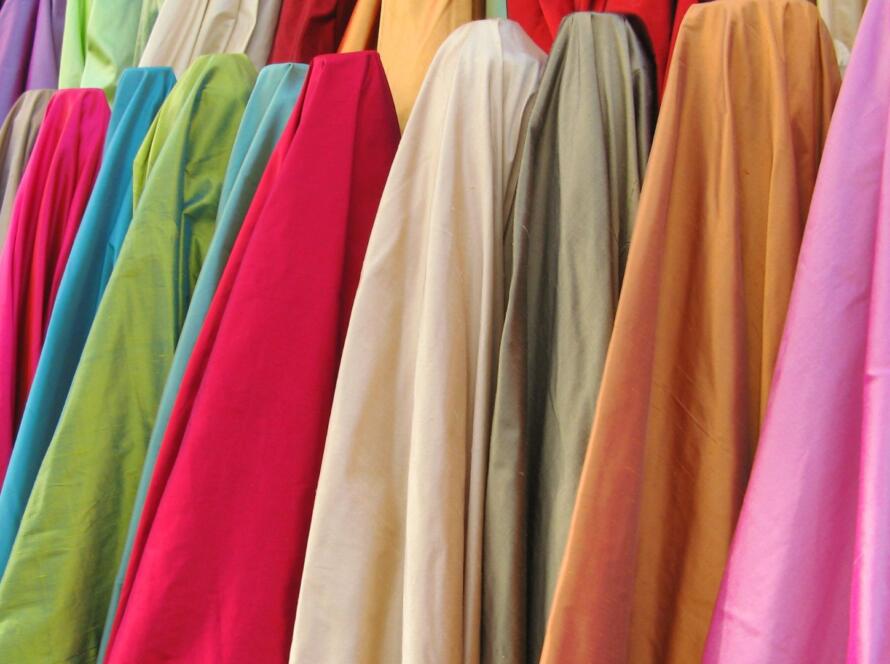


Introduction: The Dual Tapestry of Textiles – Innovation and Impact
The textile industry, a cornerstone of global commerce and culture, has an intricate relationship with the environment. While it brings forth innovation and economic growth, it also casts a significant ecological shadow. Understanding the pollution caused by textile production is the first step in crafting sustainable solutions for a more harmonious future.
1. The Environmental Toll: Pollution Hotspots in Textile Production
Water Pollution:
Dyeing and finishing processes release vast amounts of chemically-laden wastewater into freshwater sources, affecting aquatic ecosystems and human health.
Air Pollution:
Emissions from textile factories, especially those relying on coal-powered energy, contribute to atmospheric pollution and global warming.
Land Degradation:
Cotton farming, if not managed sustainably, can lead to soil erosion, loss of fertility, and desertification.
Waste Accumulation:
The fast fashion model results in significant textile waste, with non-biodegradable synthetic fabrics lingering in landfills for centuries.
2. The Health and Socio-Economic Implications
Community Health Concerns:
Chemical pollutants can contaminate drinking water sources, leading to health issues like skin irritations, respiratory problems, and even cancer in affected communities.
Economic Strains:
Pollution can impact fisheries, agriculture, and tourism, affecting the livelihoods of millions dependent on these sectors.
3. Pioneering Sustainable Solutions: A Multi-Pronged Approach
Eco-friendly Dyeing Techniques:
Adopting waterless dyeing technologies or using organic, biodegradable dyes can drastically reduce water pollution.
Recycling and Circular Economy:
Encouraging the recycling of textiles and adopting a circular economy model can minimize waste and promote resource efficiency.
Sustainable Farming Practices:
Organic cotton farming, crop rotation, and permaculture can reduce land degradation and pesticide pollution.
Energy Efficiency:
Transitioning to renewable energy sources and optimizing manufacturing processes can curtail emissions and reduce the industry’s carbon footprint.
4. Regulatory Measures: Crafting a Greener Framework
Stricter Environmental Standards:
Governments can enforce stringent regulations on wastewater discharge, emissions, and waste management for textile units.
Incentives for Sustainable Practices:
Offering tax breaks, subsidies, or grants to eco-friendly textile businesses can promote greener industry practices.
5. Consumer Power: Driving Change Through Demand
Eco-conscious Purchasing:
As consumers prioritize sustainability, their buying choices can influence brands to adopt environmentally-friendly production methods.
Promoting Slow Fashion:
Shifting away from fast fashion by investing in quality, long-lasting garments reduces waste and environmental strain.
6. Technological Innovations: Weaving a Greener Future
Biofabrication:
Innovations like lab-grown leather or bio-based polymers offer sustainable alternatives to traditional materials.
Water Treatment Systems:
Advanced wastewater treatment technologies can purify and recycle water, minimizing freshwater usage and pollution.
7. Collaborative Efforts: Uniting for a Common Cause
Industry Alliances:
Textile companies can form alliances to share sustainable practices, technologies, and strategies.
Global Partnerships:
Collaborations between countries, NGOs, and international organizations can foster knowledge exchange and joint eco-initiatives.
Conclusion: Crafting a Sustainable Textile Tapestry
The textile industry, while a significant polluter, also holds the potential to be a beacon of sustainability. By understanding its environmental impact and actively seeking solutions, the sector can weave a narrative of innovation, responsibility, and harmony with nature. As technology, regulations, and consumer demand align, a greener textile future is not just a vision but an attainable reality.